Dune Ecosystems and Protection: A Comprehensive Overview
Texas’s coastal dunes are vital, safeguarding resources and offering natural storm defense, as detailed in the Texas General Land Office’s dune manual (published January 28, 2025).
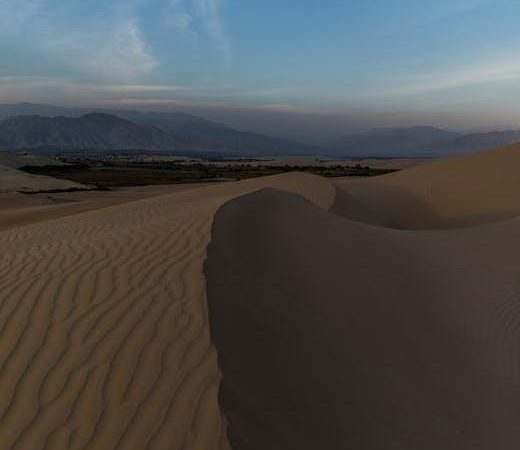
Coastal dunes represent dynamic landforms crucial for shoreline stability and ecological health, as recognized by the Texas General Land Office in their comprehensive dune protection manual (dated January 28, 2025). These systems, composed of vegetated and unvegetated sand accumulations, act as a natural barrier against Gulf of Mexico storms and erosion.
Historically, these dunes have shielded mainland areas, barrier islands, and peninsulas, protecting significant human, natural, and recreational resources. However, modifications and destruction of these protective barriers, often linked to development and recreational vehicle use, have led to environmental damage. Understanding their formation, function, and vulnerability is paramount for effective conservation efforts, ensuring the continued safety and prosperity of coastal communities and ecosystems.
The Importance of Dune Systems
Dune systems are fundamentally important to Texas’s coastal regions, as highlighted in the Texas General Land Office’s manual (published January 28, 2025). The legislature recognizes these areas contain significant human, natural, and recreational resources, historically protected by vegetated dunes.
These dunes provide a crucial protective barrier against the forces of the Gulf of Mexico, including storms, wind, and water. Stabilized, vegetated dunes offer the best natural defense, while also supporting significant biological diversity. Protecting these dunes is vital for safeguarding adjacent properties, public highways, and the taxable base of coastal areas, ultimately ensuring the health, safety, and welfare of residents and visitors alike.
Texas Coastal Dunes: Specific Characteristics
Texas coastal areas feature unique dune formations, vital for protection, as outlined by the Texas General Land Office manual (January 28, 2025).

Geological Formation of Texas Dunes
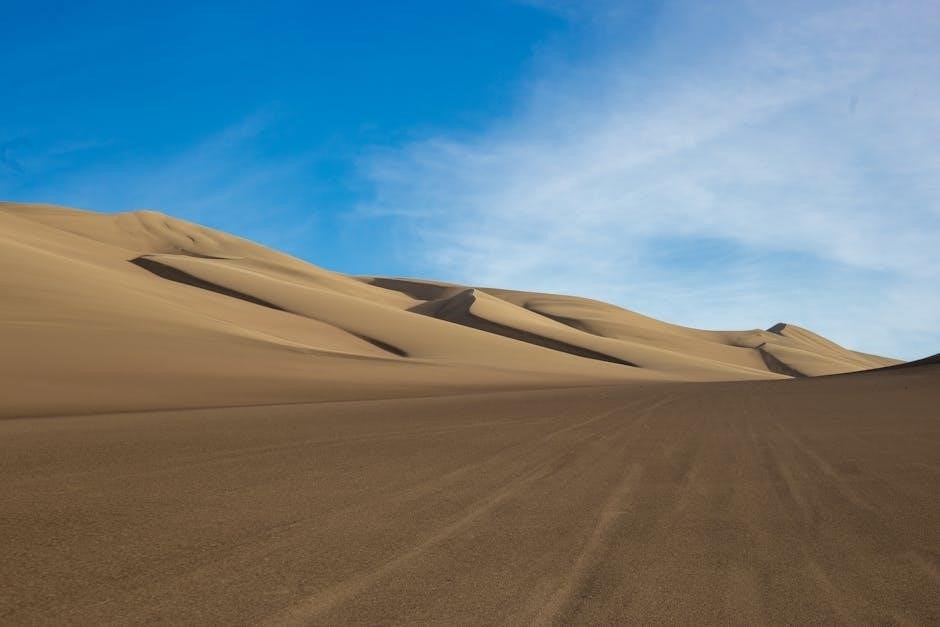
Texas coastal dunes are formed through a complex interplay of geological processes, primarily involving the transportation and deposition of sand by wind and water currents. The Texas General Land Office’s Dune Protection and Improvement Manual (dated January 28, 2025) highlights how these dunes act as a crucial protective barrier.
Over millennia, sediment originating from rivers like the Brazos and Colorado, along with eroded material from ancient shorelines, has been carried by currents and deposited along the Gulf Coast. Prevailing winds then sculpt this sand into the diverse dune formations we observe today. These formations are not static; they are constantly evolving, responding to shifts in wind patterns, storm surges, and sea-level changes. The manual emphasizes the dynamic nature of these systems and the importance of understanding their geological origins for effective management.
Vegetation and Biodiversity in Texas Dunes
Texas coastal dunes support a unique and valuable array of plant and animal life, contributing significantly to overall biodiversity. The Texas General Land Office’s Dune Protection and Improvement Manual (published January 28, 2025) underscores the biological significance of stabilized, vegetated dunes.
Specialized plant species, like sea oats and dune grasses, are crucial for dune stabilization, trapping sand and preventing erosion. These plants, in turn, provide habitat and food sources for a variety of fauna, including shorebirds, insects, and small mammals. The manual notes that these ecosystems are particularly vulnerable to disturbance, and preserving the native vegetation is paramount for maintaining the ecological integrity of the dunes and protecting the diverse species they support.
Dune Functions and Benefits
Dunes act as a natural defense against storms and erosion, protecting inland areas, as highlighted by the Texas General Land Office (January 28, 2025).
Shoreline Protection from Storms and Erosion
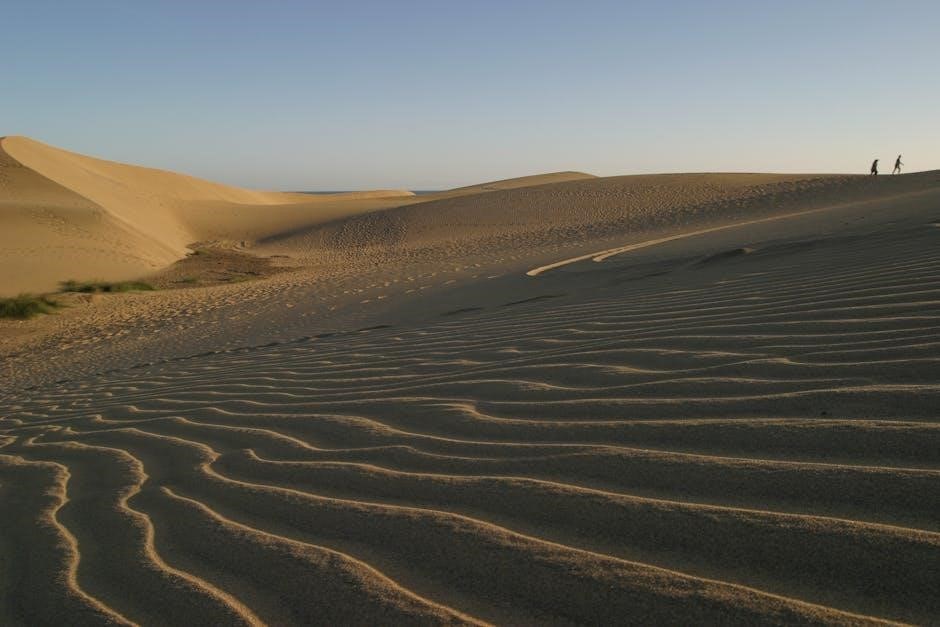
Vegetated dunes provide a crucial protective barrier for Texas’s coastline, shielding inland properties and infrastructure from the relentless forces of the Gulf of Mexico. The Texas General Land Office, in its dune manual (dated January 28, 2025), explicitly recognizes dunes as the “best natural defense against storms.”
These natural formations absorb wave energy, reducing the impact of storm surges and preventing significant erosion. The presence of stabilized, vegetated dunes is directly linked to the preservation of beaches and shores, safeguarding valuable coastal resources. Without these protective barriers, communities face increased vulnerability to damage and economic losses from coastal hazards, as outlined in the legislative findings (Sec. 63.001).

Habitat for Diverse Flora and Fauna
Texas coastal dunes aren’t merely protective structures; they are thriving ecosystems supporting a remarkable array of plant and animal life. The Texas General Land Office’s dune manual (published January 28, 2025) highlights dunes as “areas of significant biological diversity.”
Specialized vegetation, adapted to harsh conditions, stabilizes the sand and provides food and shelter for numerous species. These habitats are critical for migratory birds, reptiles, and invertebrates. Protecting dune systems is therefore essential for conserving biodiversity and maintaining the ecological integrity of the Texas coast. Damage to dunes, as noted in legislative findings (Sec. 63.001), directly threatens these valuable natural resources.

Threats to Dune Systems
Legislative findings (Sec. 63.001) identify recreational vehicle use and shoreline development as serious dangers to dune integrity and natural resources.
Impact of Recreational Vehicle Use
The operation of recreational vehicles directly contributes to the destruction of natural dune vegetation, as explicitly stated in the Texas General Land Office’s dune protection manual (Sec. 63.001). This damage compromises the dunes’ ability to function as a protective barrier against storms and erosion.
Destruction of vegetation weakens dune stability, increasing vulnerability to wind and water action. This leads to significant environmental consequences, threatening adjacent properties, public highways, and the overall taxable base of coastal areas. Furthermore, the loss of vegetation diminishes the biological diversity supported by these fragile ecosystems, impacting the health, safety, and welfare of both residents and visitors.
Development and Modification of Dunes
According to the Texas General Land Office’s dune manual (Sec. 63.001), historical and ongoing development along the Texas coastline has frequently involved the modification or outright destruction of crucial dune systems. These alterations, undertaken for various purposes, have demonstrably caused significant environmental damage.
Such modifications diminish the protective capacity of dunes against the forces of the Gulf of Mexico and severe storms. This poses serious threats to adjacent properties, vital public infrastructure like highways, and the economic stability derived from coastal property values. Ultimately, these practices endanger both natural resources and the well-being of individuals inhabiting, visiting, or traversing these areas.
Dune Damage and Environmental Consequences
Destruction of dunes, as noted in the Texas General Land Office manual, leads to a loss of protective barriers and a concerning decline in biodiversity.
Loss of Protective Barrier Function
The legislative findings, detailed within the Texas General Land Office’s Dune Protection and Improvement Manual, explicitly recognize dunes as a crucial protective barrier. These vegetated and unvegetated sand formations historically shielded the mainland gulf shoreline, barrier islands, and peninsulas from the Gulf of Mexico’s forces.
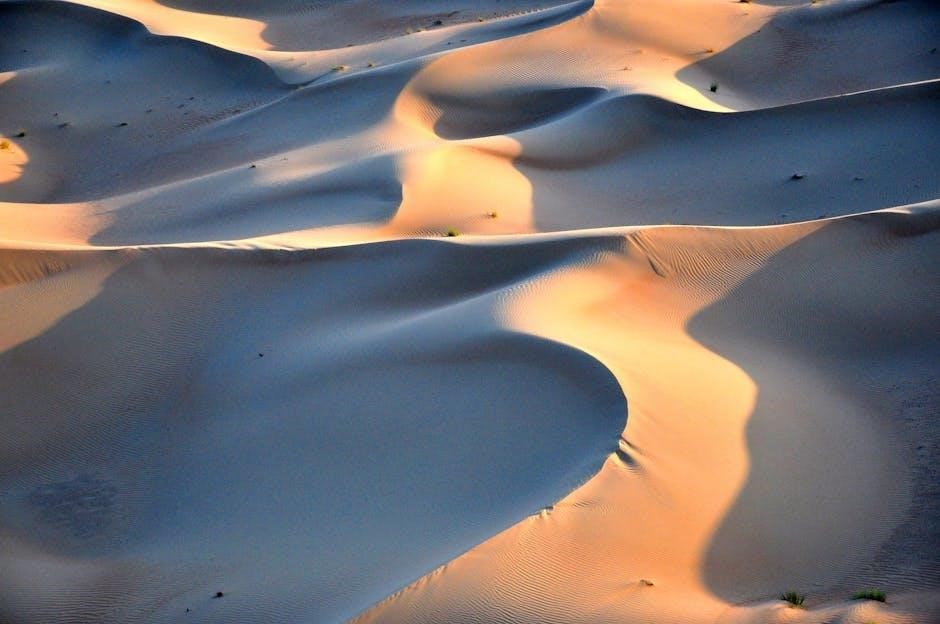
Modification or destruction of these dunes diminishes their effectiveness, leaving adjacent land and inland areas vulnerable to sand, wind, and water action. This loss directly impacts the safety of properties, public highways, and the taxable base of coastal communities. The manual underscores that stabilized, vegetated dunes represent the best natural defense against storms, a function compromised by human activity.
Decline in Biological Diversity
The Texas General Land Office’s dune manual highlights that stabilized, vegetated dunes are “areas of significant biological diversity.” However, destructive practices, such as recreational vehicle use, directly threaten this biodiversity by destroying the natural vegetation crucial for supporting diverse flora and fauna.
Legislative findings emphasize the importance of protecting dunes not only for their protective function but also for their ecological value. A decline in dune vegetation leads to habitat loss, impacting the delicate balance of coastal ecosystems. This degradation poses a real danger to the natural resources and overall health of the coastal environment, diminishing its inherent value.

Dune Construction, Improvement, and Repair Techniques
The Texas General Land Office manual details methods for dune restoration, including vegetation establishment and erosion control, vital for shoreline stabilization and protection.
Vegetation Establishment for Stabilization
Establishing vegetation is a cornerstone of dune stabilization, as recognized by the Texas General Land Office in their dune protection manual. Stabilized, vegetated dunes offer the best natural defense against storms, protecting inland areas from wind and water erosion. This process involves selecting appropriate plant species native to Texas coastal dunes, capable of thriving in harsh conditions – salt spray, shifting sands, and intense sunlight.
Successful vegetation establishment requires careful planning, including site preparation, planting techniques, and ongoing monitoring. Protecting newly planted vegetation from recreational vehicle damage and grazing animals is crucial for successful dune restoration. The manual emphasizes that a healthy vegetative cover significantly enhances dune resilience and contributes to the overall health of the coastal ecosystem, preserving state-owned beaches and shores.
Sand Fencing and Erosion Control Measures
Sand fencing plays a critical role in dune restoration and erosion control, as outlined in the Texas General Land Office’s dune manual. Strategically placed fences trap windblown sand, encouraging dune growth and rebuilding protective barriers. These structures are particularly effective in areas experiencing significant erosion or where vegetation establishment is challenging.
Effective implementation involves proper fence design, material selection (typically wood or synthetic materials), and regular maintenance to ensure continued functionality. Combining sand fencing with vegetation planting maximizes stabilization efforts. The manual highlights that these measures are essential for protecting adjacent properties, public highways, and the overall integrity of the Texas coastline, safeguarding valuable natural resources.

Legal Framework for Dune Protection in Texas
Legislative findings (Sec. 63.001) recognize dune importance for protecting Texas’s resources, as detailed in the Texas General Land Office manual (January 28, 2025).
Findings of Fact Regarding Dune Importance (Sec. 63.001)
The Texas Legislature, through Section 63.001, formally acknowledges the critical role of coastal dunes in preserving the state’s valuable assets. These findings, documented in the Texas General Land Office’s Dune Protection and Improvement Manual (published January 28, 2025), highlight that mainland shorelines, barrier islands, and peninsulas harbor significant human, natural, and recreational resources.
Historically, dunes have provided a crucial protective barrier against Gulf of Mexico waters and storms, shielding inland areas from erosion and damage. However, modifications and destruction of these dunes, often during shoreline development, have led to environmental harm. Recreational vehicle use further exacerbates the problem, destroying vital vegetation.
These practices threaten properties, highways, and the tax base, posing risks to natural resources and public safety. The legislature emphasizes that stabilized, vegetated dunes represent the best natural defense against storms and support significant biological diversity, aiding in the preservation of state-owned beaches and shores.
Texas General Land Office Role in Dune Management
The Texas General Land Office (GLO), under the leadership of Commissioner George P. Bush as of January 28, 2025 – the publication date of the Dune Protection and Improvement Manual – holds a pivotal role in safeguarding Texas’s coastal dunes. This responsibility stems from legislative findings recognizing the dunes’ importance as protective barriers and vital ecosystems.
The GLO’s management efforts are rooted in the need to address threats like recreational vehicle damage and shoreline development impacts, as outlined in Sec. 63.001. Their work focuses on preserving the natural defenses dunes provide against storms and erosion, while also protecting the diverse biological life they support.
Through this manual and related initiatives, the GLO aims to promote dune stabilization, improvement, and repair, ensuring the long-term health and resilience of these critical coastal features for the benefit of Texas’s resources and communities.

Understanding Dune Terminology
Key terms like “the sand cycle” and defining dune features are crucial for comprehension, as detailed in the Texas General Land Office’s manual (January 28, 2025).
The Sand Cycle Explained
The continuous movement of sand defines the dune ecosystem, a process detailed within the Texas General Land Office’s Dune Protection and Improvement Manual (published January 28, 2025). This cycle begins with sand erosion from various sources, transported by wind and water currents along the coastline.
Deposition occurs when wind velocity decreases, allowing sand grains to accumulate, initiating dune formation. Vegetation plays a critical role in stabilizing these dunes, trapping sand and promoting growth. However, disturbances – like storms or human activity – can disrupt this cycle, leading to erosion and dune degradation. Understanding this dynamic process is fundamental to effective dune management and protection strategies, ensuring the longevity of these vital coastal features.
Defining Key Dune Features
Texas coastal dunes, as outlined in the Texas General Land Office’s manual (dated January 28, 2025), exhibit distinct characteristics. Foredunes, the first line of defense, are directly exposed to wind and waves, often sparsely vegetated. Backdunes, sheltered by foredunes, support more extensive plant life and greater biodiversity.
Washovers, channels cut through dunes during storms, redistribute sand inland. Dune crests represent the highest point, while dune troughs are the lower areas between crests. Recognizing these features is crucial for assessing dune health and vulnerability. Stabilized, vegetated dunes offer the best natural protection, while degraded dunes pose risks to inland properties and ecosystems, highlighting the need for proactive management.