
Eye Wash Station Overview
Eye wash station instructions pdf guide provides concise setup steps, safety checks, and emergency use protocols. It details water flow, nozzle orientation, and control switch operation, ensuring compliance with OSHA and NFPA standards. Follow the PDF to maintain reliable, rapid eye protection. Check and maintain daily. OK! now.!

Key Components
Key components include a reliable water supply with temp control, flush nozzles positioned for full eye coverage, control switches that activate flow instantly. A pressure gauge monitors flow rate, while a timer ensures a 15‑minute rinse. All parts are corrosion‑resistant and meet safety standardsand quick.
Water Supply
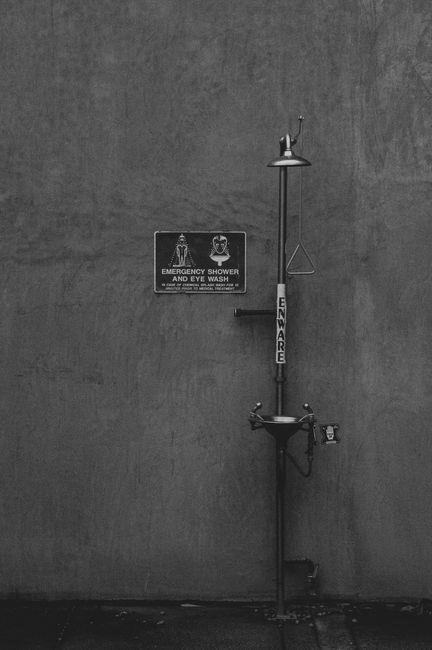
Eye wash station instructions pdf emphasize critical role of a dependable water supply. The supply must be continuous, potable. Temperature regulation is mandatory: the water should be between 20°C and 25°C (68°F–77°F) to avoid thermal shock while providing effective rinsing. Flow rate is specified at a minimum of 5 L/min (1.3 gal/min) per nozzle, ensuring sufficient volume for a full 15‑minute rinse cycle. Pressure should be maintained between 2 bar and 3 bar (29 psi–43 psi) to guarantee adequate jet force without damaging ocular tissues. Plumbing must be constructed from corrosion‑resistant materials such as stainless steel or PVC, and all connections should be leak‑tight to prevent accidental exposure to hazardous chemicals. Back‑flow prevention devices are required to avoid contamination of the potable supply; a single‑check valve or a dual‑check valve system is recommended. The water line should be insulated in cold climates to maintain temperature stability. Regular inspection of the supply line for leaks, kinks, or blockages is essential; any deviation from the specified pressure or temperature must be corrected immediately. The instructions pdf also advise installing a pressure gauge near the station for quick verification, and a flow meter to confirm compliance with the minimum flow requirement. Finally, the water source should be isolated with a dedicated shut‑off valve, allowing maintenance crews to test the station without disrupting the entire facility’s water supply. Maintain flow and pressure. Adhering to these guidelines ensures that the eye wash station delivers reliable, safe, and effective rinsing whenever an emergency occurs.
Flush Nozzles
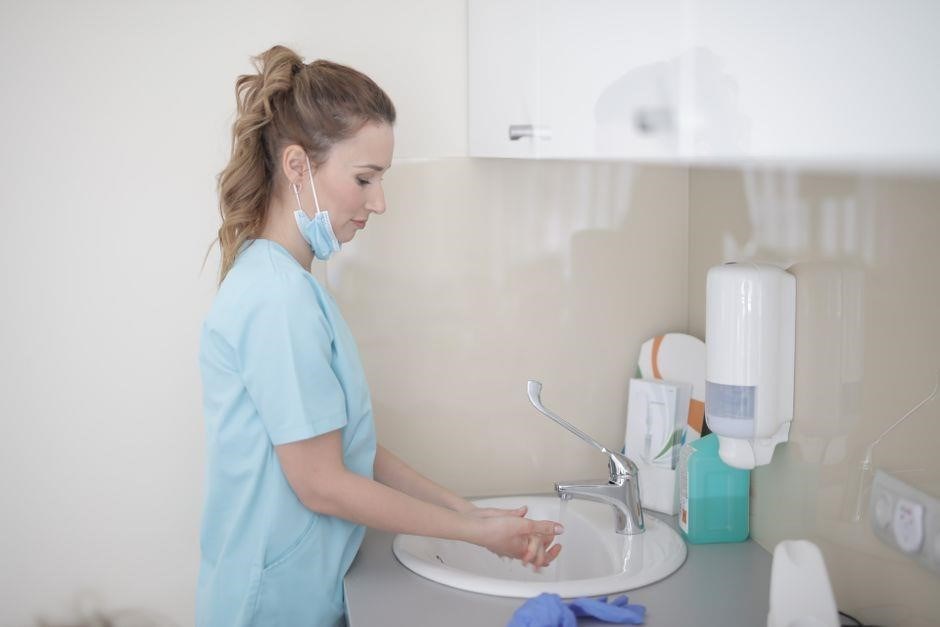
Eye wash station instructions pdf detail flush nozzle specifications. The nozzle must be ergonomic, positioned at eye level, with a 90‑degree angle to allow full coverage. The nozzle tip should be 1.5 mm in diameter, producing a fine mist that covers both eyes simultaneously. The design must prevent splashing and ensure the water stream remains within the ocular field, reducing the risk of contamination. The nozzle assembly should be made of medical‑grade stainless steel or high‑grade plastic to resist corrosion and chemical attack. The instructions pdf recommend a dual‑nozzle system: one for the left eye and one for the right eye, each capable of independent activation. The flow control valve must allow the user to adjust the water velocity from a gentle stream (≈0.5 L/min) to a stronger jet (≈2 L/min) depending on the severity of exposure. The nozzle housing should incorporate a splash guard to direct excess water away from the user’s face. The instructions also specify that the nozzle should be easily replaceable; a quick‑release mechanism allows maintenance crews to swap out worn or damaged tips without disassembling the entire unit. The nozzle must be calibrated to maintain a consistent flow rate; the pdf advises performing a monthly flow test using a calibrated flow meter. Finally, the instructions pdf advise installing a visual indicator on the nozzle assembly to signal when the nozzle is in the correct position for use, ensuring that the user can quickly align the stream with their eyes during an emergency. Proper nozzle design and maintenance are critical for effective eye protection and compliance with OSHA and NFPA standards. Routine nozzle inspections ensure reliable performance and prevent microbial contamination. Regular nozzle checks help maintain safe operation and reduce downtime during emergencies. All nozzle components must be inspected annually to ensure reliability and prevent rapid growth.
Control Switches
Eye wash station instructions pdf emphasize that control switches must be easily accessible, clearly labeled, and operable by any user, regardless of physical ability. The switch is placed on the front panel at eye level and requires a single‑hand operation. It should be a push‑button or lever that initiates a continuous flow of water for at least 15 minutes, as mandated by OSHA. The pdf recommends a dual‑mode switch: a primary mode that activates the main water supply and a secondary mode that activates a backup supply if the main fails. The housing must be sealed with a waterproof gasket to prevent dust or chemical ingress. The switch should be rated for at least 1.5 kW of power and a minimum current of 10 A to support high‑flow nozzles. Monthly testing with a calibrated flow meter is required to confirm the flow rate remains within 0.5–2 L/min. A lockout feature disables the flow after a preset time to prevent accidental over‑use. Visual indicators—green LED for normal operation, red LED for fault—illuminate when the switch is engaged or a fault is detected. The switch must be compatible with the building’s electrical system (120 V or 240 V) and wired to a dedicated circuit with a 20 A breaker. Weekly inspection protocols require the inspector to record date, time, and any anomalies in the station’s log. Proper maintenance ensures rapid response during emergencies, compliance with regulatory standards, and long‑term reliability. The manual also specifies that the switch handle be ergonomically shaped for gloved hands and positioned to avoid accidental activation by nearby personnel. A color‑coded labeling system—green for normal, yellow for maintenance, red for fault is recommended. Finally, the pdf instructs inspection for corrosion, loose connections, and mechanical wear, with defects corrected before the next operational cycle. All switch components should be inspected during each annual audit period. (see pdf). Use. OK!

Regulatory Standards
Eye wash station instructions pdf outline compliance with OSHA 29 CFR 1910.151 and NFPA 45. They require a 15‑minute flow, 0.5–2 L/min, and a user‑friendly control switch. Annual inspections and weekly testing logs are mandated. Proper labeling, emergency access, and water quality control are essential. Stations inspected quarterly
OSHA Guidelines
According to OSHA standard 29 CFR 1910.151, employers must provide eye wash stations within a 10‑second reach of any hazardous area. The station must deliver at least 0.5 L/min of potable water for a minimum of 15 minutes, with a flow rate that can be adjusted between 0.5 and 2 L/min. The control switch must be operable by a single hand, and the station should be labeled with a clear, visible sign. OSHA requires that eye wash stations be inspected at least once per week, with a documented log of each inspection. The inspection must confirm that the water temperature is between 20 °C and 30 °C, that the flow is continuous and unobstructed, and that the control switch functions correctly. If the station is portable, it must be tested every 30 days, and any malfunction must be repaired within 24 hours. OSHA also mandates that the station’s location be free of obstructions and that the water supply is free of contaminants. The standard further requires that training be provided to all employees who may be exposed to eye‑hazardous substances, and that they be instructed in the correct use of the station, including positioning the face, opening the eyelids, and rinsing for the full duration. Failure to comply can result in citations and penalties, so maintaining a current inspection log and ensuring the station’s readiness is essential for workplace safety. Employers should also keep a copy of the manufacturer’s IFU (Instructions for Use) and ensure that all personnel are familiar with the station’s operation, including the correct positioning of the face and the duration of flushing. Regular training refreshers help maintain compliance and reduce injury risk!!
NFPA Requirements
NFPA 70E, the National Fire Protection Association’s standard for electrical safety in the workplace, sets explicit criteria for eye wash stations. Section 110.4.1 mandates that a station be within a 10‑second reach of any area where eye‑hazardous substances are handled. The station must deliver a minimum flow of 0.5 L/min (≈0.13 gal/min) for at least 15 minutes, and the flow rate must be adjustable between 0.5 and 2 L/min (≈0.13–0.53 gal/min). Section 110.4.2 requires that portable eye wash units be tested at least once per week, and any malfunction must be repaired within 24 hours. Section 110.4.3 specifies that the station must be clearly labeled with a sign that is legible from at least 3 m and that the label must be maintained in good condition. Section 110.4.4 stipulates that the water temperature must be between 20 °C and 30 °C (68 °F–86 °F) to avoid thermal shock. Section 110.4.5 requires a documented inspection log, with each inspection recorded and signed by the inspector. Section 110.4;6 requires that the station be cleaned, disinfected, and maintained according to the manufacturer’s instructions, and that the water supply be free of contaminants. Section 110.4.7 mandates that all employees who may be exposed to eye‑hazardous substances receive training on proper use of eye wash station, positioning face, opening eyelids, and rinsing for the full duration. Compliance with NFPA 70E not only satisfies legal obligations but also significantly reduces the risk of permanent eye injury in hazardous work environments; Employers should keep a current copy of the NFPA 70E standard and the manufacturer’s IFU, and review the station’s performance annually to ensure safety and compliance.
Installation Best Practices
Proper installation of an eye wash station is critical for ensuring rapid, effective decontamination during an eye exposure incident. The eye wash station instructions pdf provides a step‑by‑step guide that covers site selection, mounting, plumbing, and electrical requirements. First, choose a location that is within a 10‑second reach of any area where hazardous chemicals are handled, as required by NFPA 70E. The station must be positioned so that the user can comfortably place both eyes under the nozzles without bending or leaning excessively. Second, secure the unit to a stable, level surface or wall bracket that can support the weight of the station and any additional accessories. Use corrosion‑resistant fasteners and ensure that the mounting surface is free of cracks or loose panels that could compromise the seal. Third, connect the water supply to a potable source that meets the required flow rate of 0.5–2 L/min (0.13–0.53 gal/min). The instructions pdf recommends using a dedicated line with a pressure regulator to maintain consistent flow and temperature between 20 °C and 30 °C (68 °F–86 °F). Fourth, install the control switch in a location that is easily reachable and clearly labeled. The switch should be operable with one hand and must be protected from accidental contact. Fifth, test the station immediately after installation. Run the water for the full 15‑minute duration, verify the flow rate, and check for leaks or drips; Document the test in the station log as per the pdf’s inspection checklist. Finally, provide training to all employees on proper use, including how to activate the station, position the face, open the eyelids, and rinse for the recommended duration. Regular maintenance, such as weekly checks and annual professional servicing, will keep the station compliant and ready for use.
Employees should practice use., ensuring both eyes are exposed rinsed for 15 minutes. Regular checks confirm compliance!

Operational Procedures
Follow the eye wash station instructions pdf to activate the unit, position face, open eyelids, and rinse both eyes for 15 minutes. Ensure flow rate meets 0.5–2 L/min, maintain temperature 20–30 °C, and document use in the log. Practice drills regularly. Record date, time, and initials in the log now.

Correct Use Techniques
Follow the eye wash station instructions pdf for safe, effective operation. Begin by reading the manufacturer’s IFU to understand the specific flow rate, temperature range, and nozzle orientation. Activate the unit by pressing the control switch; the indicator light should flash green, confirming water flow. Position your face so the nozzle is at eye level, and tilt your head slightly forward. Open your eyelids wide and gently pull the upper lids down to expose the cornea. Allow the water to run from the outer corner toward the inner corner, ensuring both eyes receive continuous, gentle stream. While rinsing, roll your eyes in all directions to dislodge debris. Maintain the flow for at least 15 minutes, as recommended by OSHA and NFPA, to ensure thorough cleansing. After rinsing, close your eyes and gently pat the area dry with a clean towel. Record the date, time, and your initials in the log sheet to document compliance. If the water temperature is too hot or cold, adjust the thermostat before use. Perform a quick visual check of the nozzle for blockages; if any debris is present, clean it with a sterile cotton swab. Always keep the station within easy reach and ensure the power supply is secure. By following these steps, you protect workers from eye injuries and maintain compliance Remember that the eye wash station instructions pdf also specifies the required frequency of weekly testing, the acceptable flow rate range, and the proper method for cleaning the nozzle to prevent bacterial growth; following these guidelines not only protects employees but also satisfies audit requirements Also keep a spare nozzle and sterilization kit nearby for quick emergency response and ensure compliance today
Duration and Flow Rate
Eye wash station instructions pdf specifies that the unit must deliver a continuous, gentle stream of water at a minimum flow rate of 0.5 liters per minute (approximately 0.13 gallons per minute). The flow rate should remain steady and free of turbulence to ensure effective rinsing of the ocular surface. OSHA and NFPA standards both mandate a minimum of 15 minutes of rinsing for all chemical exposures, and the instructions pdf confirms that the control switch should be held for the full duration to maintain the required flow. The temperature of the water must stay within a safe range—typically 20 °C to 25 °C (68 °F to 77 °F)—to avoid thermal shock. The instructions pdf also details how to adjust the thermostat and use the flow‑rate gauge to verify compliance before each use. If the flow rate drops below the minimum, the station must be inspected, cleaned, and repaired immediately. During a routine test, the inspector should record the exact flow rate in liters per minute and the total duration of the rinse in minutes, noting any deviations. The pdf also recommends a short pause after the 15‑minute rinse to allow the eyes to dry naturally, followed by a gentle pat with a sterile towel. By strictly following the duration and flow‑rate guidelines in the eye wash station instructions pdf, facilities can ensure that workers receive the safest and most effective eye protection possible. The eye wash station instructions pdf also includes a troubleshooting section that lists common issues such as low flow, incorrect temperature, and nozzle blockage. Users should check the flow meter, inspect the hose for kinks, and verify that the thermostat is set within the recommended range. If the water temperature is outside 20 °C to 25 °C, adjust the heating element or switch to a cooler supply. The instructions pdf recommends performing a visual inspection of the nozzle for any debris or corrosion, and cleaning it with a sterile cotton swab. Additionally, the pdf advises to keep the station in a well‑lit area, free from obstructions, and to test the unit at least once a month to confirm that the flow rate and temperature remain within specifications. By following these steps, workers can be confident that the eye wash station will function correctly during an emergency.
Inspection & Maintenance
Eye wash station instructions pdf mandates weekly visual checks, flow‑rate tests, and temperature verification. Log each test with date, initials, and results. Replace worn hoses, clean nozzles, and inspect filters monthly to prevent contamination and ensure compliance. Perform filter check monthly
Weekly Testing Protocols
eye wash station instructions pdf outlines a systematic weekly testing protocol designed to verify operational readiness and regulatory compliance. The procedure begins with a visual inspection of the station’s housing, ensuring no cracks, corrosion, or loose fittings. Next, the water supply line is checked for adequate pressure; a gauge should read at least 40 psi, as recommended by OSHA. The flow rate is then measured by timing a 30‑second flush; the volume should equal at least 1.5 gallons. Temperature is recorded; it must be between 60°F and 80°F to prevent thermal injury. The control switch is tested for immediate activation, and the nozzles are inspected for proper orientation and unobstructed flow. A microbial test is performed monthly, but the weekly protocol includes a visual check for biofilm. All findings are logged with date, inspector initials, and any corrective actions. If a fault is detected, the station is isolated, repaired, and re‑tested before returning to service. This routine ensures that the eye wash station remains a reliable first‑line defense against ocular contamination.
During each weekly test, operators should document the start time, water temperature, and any anomalies observed. If the flow rate falls below the minimum threshold, the station must be repaired before the next cycle. Operators must also verify that the control switch remains functional after each test. In addition, the station’s housing should be inspected for signs of corrosion or leaks, and the nozzles cleaned to prevent blockage. Proper record‑keeping ensures traceability and supports compliance audits.
All logs must be retained for at least one year.!