This introduction offers a concise glimpse into the novel’s haunting narrative, its exploration of destiny, desire, and the human spirit’s struggle against darkness. It sets the stage for readers eager to delve into the story’s rich symbolism and emotional depth.Each chapter blends myth with modern conflict, sparking reflections.
The novel’s setting unfolds in a small coastal town where the protagonist Elena confronts a haunting past that intertwines with supernatural forces. The narrative examines themes of guilt redemption and the seductive allure of power. Elena’s journey is marked by symbolic encounters with the devil representing internal conflict and the temptation to abandon moral integrity for personal gain. The author employs rich lyrical prose to explore the duality of human nature juxtaposing the warmth of familial bonds with the chilling presence of a malevolent entity that seeks to claim her soul. Through Elena’s interactions with her estranged brother a former priest the story delves into faith doubt and the struggle to maintain hope amid despair. The novel also touches on the influence of cultural folklore weaving local legends about demonic bargains into the plot thereby grounding the supernatural elements in a tangible relatable context. The narrative’s pacing oscillates between introspective monologues and fast‑paced confrontations creating a rhythm that mirrors the protagonist’s emotional turbulence. Themes of identity choice and the cost of ambition are explored through Elena’s decision to either succumb to the devil’s offer or fight for her soul. The story’s climax culminates in a dramatic showdown that forces Elena to confront her deepest fears and ultimately decide whether to embrace her destiny or forge a new path. The resolution offers a bittersweet conclusion suggesting that redemption is possible yet the scars of past choices remain. Overall the novel invites readers to reflect on the nature of temptation the resilience of the human spirit and the enduring power of hope in the face of darkness. The narrative’s emotional depth invites readers to introspect on personal choices and moral complexity and consequences!
Legal Considerations for Free PDF Downloads
When searching for a free PDF of “Mi Alma Se La Dejo al Diablo,” it is essential to understand the legal framework that governs digital distribution; The book is still under copyright protection, meaning that any unauthorized reproduction or sharing violates the author’s exclusive rights. Downloading from unverified sites can expose users to piracy risks and potential legal consequences. Copyright law grants the publisher and author the exclusive right to reproduce, distribute, and create derivative works. Therefore, a legitimate free PDF can only be accessed if the rights holder explicitly permits it, such as through a public domain release or an open‑access license. Many authors and publishers offer promotional downloads for a limited time, often requiring a valid email address or a purchase of a related product. These official channels ensure compliance with intellectual property regulations. Users should also be aware of the Digital Millennium Copyright Act (DMCA) in the United States, which imposes strict penalties for the distribution of copyrighted material without authorization. Internationally, similar statutes exist, and downloading from foreign servers does not exempt one from liability. In addition to legal risks, piracy sites frequently host malware or phishing attempts. The safest approach is to verify the source’s legitimacy by checking for official publisher links, reputable book retailers, or library portals. Libraries often provide e‑book lending services that respect copyright while granting temporary access. If the book is not yet in the public domain, the only legal way to obtain a free PDF is through authorized channels such as the author’s website, a repository, or a licensed distributor that offers a free version under a Creative Commons license. In summary, respecting copyright protects both the creator’s rights and the user’s safety. Always seek official, licensed, or public‑domain sources before downloading a free PDF of “Mi Alma Se La Dejo al Diablo.” These guidelines protect creators and users today.

Official Channels for Accessing the PDF
For readers seeking a legitimate copy of “Mi Alma Se La Dejo al Diablo,” the most reliable route is through officially sanctioned distributors. Publishers often host a dedicated download page on their website, offering the PDF for free or for a nominal fee; These pages typically require a simple email subscription, ensuring that the distribution remains within the bounds of copyright law. Major online retailers such as Amazon, Barnes & Noble, or Kobo also provide e‑book versions that can be purchased or rented. Some retailers offer a “free sample” feature, allowing users to preview the first chapter or a limited number of pages before deciding to buy. Libraries are another powerful resource; many public and university libraries have partnered with services like OverDrive or Libby to provide digital lending. By logging in with a library card, users can borrow the PDF for a set period, after which the file is automatically removed, thereby respecting the author’s rights. In certain cases, authors release their works under Creative Commons licenses. These licenses allow free download and redistribution, provided the user follows the license terms such as attribution. Checking the author’s official website or social media pages can reveal such offers. Finally, academic repositories like JSTOR or Google Scholar may host the PDF if the book has been cited in scholarly work. Access to these repositories is usually restricted to institutional subscribers, but some universities provide guest access for a limited time. Always verify that the source is legitimate by looking for official logos, secure HTTPS connections, and clear licensing statements. By using these official channels, readers can enjoy the book without infringing on intellectual property rights or exposing themselves to malware risks.
When searching for free PDFs of “Mi Alma Se La Dejo al Diablo,” several reputable platforms surface. Project Gutenberg focuses on public‑domain works, rarely hosting contemporary titles, but occasionally offers user‑submitted translations that are legally shared. The Internet Archive aggregates millions of books; its “borrow” feature lets users download PDFs after a short wait, and the HTTPS protocol guarantees a secure connection. Open Library, a sister project, provides a similar borrow system and direct download links for books digitized with the author’s permission. Google Books offers preview snippets and, in some cases, full‑text PDFs for public‑domain works or publisher‑approved titles. Academic repositories such as ResearchGate or Academia.edu sometimes host author‑uploaded PDFs, typically free for research purposes. Read on!Ok?OkOk
Using Library and Academic Resources
Libraries remain a cornerstone for accessing literary works, especially when searching for a free PDF of “Mi Alma Se La Dejo al Diablo.” Most public libraries subscribe to digital‑book platforms such as OverDrive, Libby, or Hoopla, where patrons can borrow e‑books for a set period. These services often provide PDFs or ePub files that can be downloaded to a device or read in a web browser. Additionally, university libraries maintain extensive electronic repositories. Students and faculty can log in with institutional credentials to access e‑books through services like JSTOR, ProQuest, or EBSCOhost. Many of these platforms host translated editions or original Spanish texts, and they frequently offer PDF downloads for offline reading. If you lack a library card, consider the interlibrary loan (ILL) system; most libraries can request a copy from another branch or institution, sometimes delivering a file directly to your email. Academic institutions also host open‑access repositories—such as the university’s digital commons—where authors upload their own works. These repositories are free to browse and download, and they often include metadata about the publication, ensuring that you are accessing a legitimate source. Finally, the Library of Congress and WorldCat provide search tools that can locate a book’s availability across libraries worldwide; by entering the title and author, you can see which libraries hold a copy and whether they offer a digital lending option. Utilizing these library and academic resources not only guarantees legal access but also supports the preservation of literary heritage and the authors’ rights.

Downloading the PDF Safely: Security Tips
When hunting for a free PDF of “Mi Alma Se La Dejo al Diablo,” the first line of defense is verifying the source. Trusted sites—such as university repositories, official publisher portals, or well‑known academic databases—offer files that have passed security scans. Avoid obscure download hubs or torrent sites, which often embed malware or malicious scripts. Use a reputable antivirus program and keep it updated; before opening any attachment, run a quick scan to detect hidden threats. If the file is hosted on a cloud service, ensure the link uses HTTPS, indicating encrypted transmission. A secure connection protects against man‑in‑the‑middle attacks that could alter the file’s contents. Additionally, consider downloading the PDF to a sandboxed environment or a virtual machine; this isolates the file from your main operating system, preventing potential exploits from affecting critical data. Once downloaded, open the PDF with a trusted reader—Adobe Acrobat Reader DC or Foxit Reader are commonly recommended, as they include built‑in sandboxing and sandboxed processes. Avoid using web‑based PDF viewers that might expose your data to third‑party servers. If you must view the file online, use a reputable cloud‑based reader that offers end‑to‑end encryption. Finally, be cautious of embedded scripts or external links within the PDF; many malicious PDFs use JavaScript to trigger downloads or redirect users. By combining source verification, secure connections, antivirus scanning, sandboxed environments, and cautious reader settings, you can confidently download and read the PDF while minimizing security risks. Moreover, always verify the file’s checksum if the source provides one; matching the hash ensures the file has not been tampered with during transfer. Finally, after reading, delete the PDF from temporary folders and clear your browser cache to eliminate residual data that could be exploited by future attacks.

Reading the Book Online vs. Offline
Choosing between online and offline reading for “Mi Alma Se La Dejo al Diablo” hinges on convenience, accessibility, and personal preference. Online readers benefit from instant access, search functionality, and the ability to annotate directly within the browser or cloud platform. They can sync progress across devices, ensuring a seamless transition from phone to laptop. However, online viewing requires a stable internet connection; without it, the experience stalls, and any cloud‑based annotations may fail to sync. Offline reading, on the other hand, offers uninterrupted access once the PDF is downloaded. Users can read in low‑light environments without Wi‑Fi, and the file remains fully under their control, free from external server dependencies. The trade‑off is that any updates or corrections to the PDF must be manually downloaded, and annotations are confined to the local device unless manually exported. For those who value portability, an e‑reader or tablet with a PDF viewer can provide a paper‑like experience while still allowing quick navigation. Ultimately, the decision depends on the reader’s workflow: frequent travelers may favor online cloud sync, while students or commuters might prefer the reliability of an offline copy. Both approaches are valid, and many readers adopt a hybrid strategy—download the PDF for offline use, then sync notes to a cloud platform for future reference.
Consider device battery life and screen resolution; high‑resolution displays reduce eye strain, while efficient power management extends reading time. Many PDF readers offer night‑mode or sepia‑tone options for dim settings, enhancing the offline experience. Readers can also export annotated PDFs for group study, preserving layout and annotations. Enjoy! Happy reading.!
For those who enjoy learning, add notes and link to resources, turning passive reading into a study session. Focus better.

Alternative Formats and Translations
While the original Spanish edition of “Mi Alma Se La Dejo al Diablo” remains the most authentic source, readers often seek alternative formats and translations to suit diverse preferences. Audiobook versions, though less common, provide an immersive experience for those who enjoy listening; they capture the author’s cadence and emotional nuance. E‑book formats such as EPUB or MOBI allow readers to adjust font size, line spacing, and background color, making the text more accessible for individuals with visual impairments or reading difficulties. For those who prefer tactile engagement, a high‑quality print edition can be ordered through reputable book distributors, offering a tangible connection to the narrative. Translations into other languages—English, French, German, and Italian—have been produced by independent translators and sometimes by the publisher, each bringing subtle shifts in tone and cultural references. While official translations aim for fidelity, fan‑made versions may prioritize readability over strict adherence to the original text. It is essential to verify the translator’s credentials and the publication’s licensing status to avoid pirated copies. Digital libraries and academic repositories sometimes host licensed PDFs of translated editions, ensuring that readers receive a legally compliant product; When selecting an alternative format, consider device compatibility: EPUB files work on iOS, Android, and desktop readers, while PDF files preserve layout but may not reflow text. Audiobooks require a compatible player, and print editions need physical space. Ultimately, the choice depends on personal learning style, accessibility needs, and the desire to experience the story in a format that best supports comprehension and enjoyment.
These editions are often available through university presses or specialized academic publishers. They help readers choose.
Readers can explore forums discussing narrative arcs, character motivations, and thematic depth, gaining insights and fostering discussion online.

Bookmarking and Annotating Digital Copies
When you download a PDF of “Mi Alma Se La Dejo al Diablo,” start by setting up bookmarks and annotations. Most readers—Adobe Acrobat, Foxit, or the built‑in viewer on macOS and Windows—offer a bookmark tool. Highlight a location, right‑click, and choose “Add Bookmark.” Name it clearly, such as “Chapter 3 – The Devil’s Offer.” This creates a quick navigation map. Annotations add depth. Highlight passages in yellow, green, or blue to mark motifs or emotional peaks. Use sticky‑note comments for thoughts or questions. Color‑code notes: red for plot twists, blue for philosophical ideas, orange for personal reactions. Exporting annotations to a separate file or copying them into a word processor helps when writing essays or discussion posts. Keep backups on cloud services such as Google Drive, Dropbox, or OneDrive to avoid data loss. For group work, share the annotated PDF via a shared folder or a platform like Google Docs, where multiple users can view and comment simultaneously. Consistency matters: mark the end of each chapter with a bookmark and add a brief margin note. Over time, you’ll build a comprehensive map that aids recall and deepens engagement. If you read on multiple devices, ensure annotations sync correctly. Some readers store them in a separate .xfdf file that must be uploaded to each device; others embed them directly in the PDF. Check your reader’s settings to confirm whether annotations are saved locally or in the cloud. When ready to archive, convert the PDF to PDF/A format to preserve annotations and ensure long‑term accessibility. Most editors offer a “Save As PDF/A” option, locking layout and metadata for academic or archival use. Use text for plot twists!! a summary after each chapter for clarity reflection!!
Sharing and Discussing the Book
Engaging with friends, classmates, or online communities can deepen your appreciation of “Mi Alma Se La Dejo al Diablo.” Start by creating a discussion thread on platforms like Reddit, Goodreads, or a dedicated Discord server. Post a brief synopsis, then invite others to share their favorite scenes or the most unsettling moments. Use polls to gauge which chapters resonate most, and encourage readers to quote passages that struck them emotionally. When sharing, respect copyright: provide only short excerpts (less than ) and link to legitimate sources or the official publisher. If you’re in a study group, assign chapters for each member to read and then meet virtually via Zoom or Google Meet. Prepare discussion prompts such as, “How does the protagonist’s relationship with the devil evolve?” or “What does the recurring motif of fire symbolize?” These questions spark critical thinking and keep the conversation focused. For social media, create a hashtag like #MiAlmaDebate to aggregate posts and make them searchable. Use visual aids: share character maps, timeline infographics, or fan art that captures key themes. If you’re a teacher, incorporate the novel into a lesson plan, assigning reflective essays or creative projects that require students to analyze the narrative structure. Encourage peer review by having students comment on each other’s drafts. Finally, consider hosting a virtual book club event with a live Q&A, where participants can ask the author questions if possible, or discuss how the novel’s themes relate to contemporary issues. By fostering an interactive environment, you not only enhance your own understanding but also contribute to a broader literary conversation. Share insights on forums, and let the dialogue grow organically.!
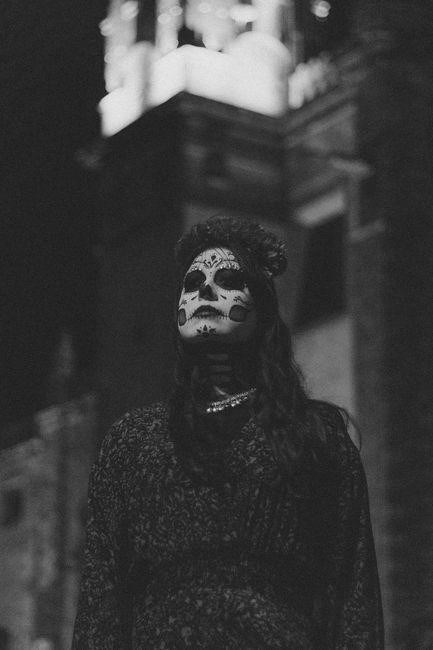
and Further Reading
In closing, the journey through “Mi Alma Se La Dejo al Diablo” invites readers to reflect on the delicate balance between ambition, morality, and the unseen forces that shape destiny. The novel’s layered narrative, rich symbolism, and complex characters provide fertile ground for discussion, analysis, and personal insight. By exploring its themes—temptation, redemption, the human condition—one gains a deeper appreciation for the author’s craft and the broader literary tradition that informs this work. For those eager to broaden their horizons, a curated list of complementary titles offers a pathway to further exploration. Consider reading “El Ladrón de la Luz,” which similarly delves into the interplay of light and darkness, or “La Sombra del Pasado,” a contemporary piece examining past choices. Both works share a thematic resonance that will enrich your understanding of moral quandaries. Academic essays on the novel’s use of mythic archetypes and its place in modern Spanish literature provide scholarly depth. Journals such as “Revista de Literatura Hispánica” and “Anuario de Estudios Literarios” publish critical analyses illuminating the novel’s stylistic nuances and cultural significance. Finally, engaging in online forums, book clubs, or university seminars can transform a solitary reading into a collaborative dialogue, fostering new interpretations. By continuing to explore related works and scholarly discussions, readers can fully appreciate the enduring impact of “Mi Alma Se La Dejo al Diablo” and its contribution to contemporary literature. Readers will find new layers of meaning for readers.