The Evolution of Yoga Instruction as Covered by The New York Times
The New York Times chronicles yoga’s journey‚ from pioneers like Lilias Folan bringing it to Middle America‚ to contemporary concerns regarding boundaries and teacher accountability.
Early Pioneers: Bringing Yoga to the Masses
Lilias Folan stands as a pivotal figure in popularizing yoga across the United States‚ particularly within Middle America. Her approach‚ as highlighted by The New York Times‚ was revolutionary for its time. She actively worked to “demystify” the practice‚ which was often perceived as a counterculture movement.
Folan’s television program presented yoga in an accessible and welcoming manner‚ distinguishing herself with bright leotards and a soothing vocal delivery. She cultivated a connection with viewers‚ resembling a reassuring presence akin to Mr. Rogers‚ but with a focus on flexibility and mindful movement.
This style extended beyond physical postures‚ incorporating a genuine concern for the mental and emotional wellbeing of her audience‚ mirroring the attentiveness of a Sunday school teacher. Folan’s legacy lies in her ability to make yoga approachable and integrate it into mainstream American life‚ paving the way for its widespread adoption.
Lilias Folan and the Demystification of Yoga
The New York Times portrays Lilias Folan as instrumental in dismantling the mystique surrounding yoga during a period when it was largely viewed with suspicion by many Americans. She actively challenged the perception of yoga as an esoteric practice reserved for a select few‚ instead presenting it as a beneficial activity for everyone.
Folan’s unique presentation style – characterized by her vibrant attire and calming demeanor – played a crucial role in this demystification. She wasn’t a guru figure‚ but rather a relatable instructor who spoke directly to the camera‚ fostering a sense of personal connection with her audience.
Her approach emphasized accessibility and inclusivity‚ making yoga feel less intimidating and more inviting. By normalizing the practice through television‚ Folan effectively broadened its appeal and laid the groundwork for its subsequent mainstream acceptance‚ transforming it from a counterculture trend into a widely embraced wellness activity.
Folan’s Approach: A Soothing and Accessible Style
The New York Times highlights Lilias Folan’s distinctive teaching style as remarkably soothing and welcoming‚ a key factor in her success at popularizing yoga. She cultivated a calming presence‚ speaking in reassuring tones reminiscent of a caring Sunday school teacher‚ directly addressing viewers and checking in on their well-being.
Her visual presentation further contributed to this accessibility. Folan eschewed traditional yogic attire‚ opting instead for bright leotards and a simple side braid‚ creating a more approachable image. This deliberate choice helped to break down preconceived notions about yoga and its practitioners.
Importantly‚ Folan’s instruction wasn’t focused on achieving advanced poses‚ but rather on fostering a mindful connection between the body and mind. She prioritized gentle movements and emphasized the importance of listening to one’s own body‚ making yoga attainable for individuals of all ages and fitness levels.
The Rise of Contemporary Yoga
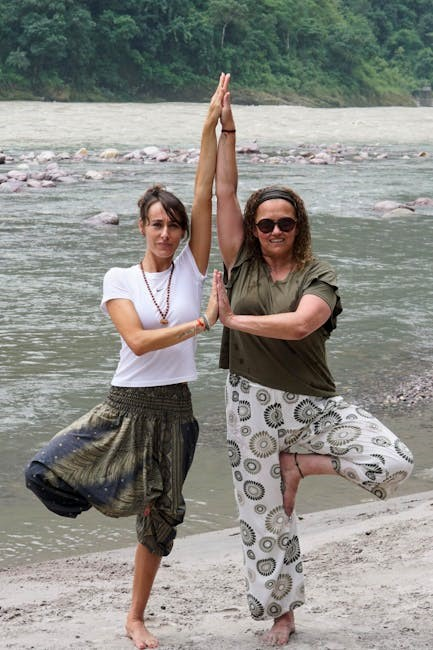
The New York Times coverage reveals a shift in the yoga landscape‚ moving beyond Folan’s accessible approach towards a more diverse and sometimes problematic contemporary scene. While yoga’s popularity exploded‚ fueled by figures like Maty Ezraty who trained tens of thousands of instructors globally‚ new challenges emerged.
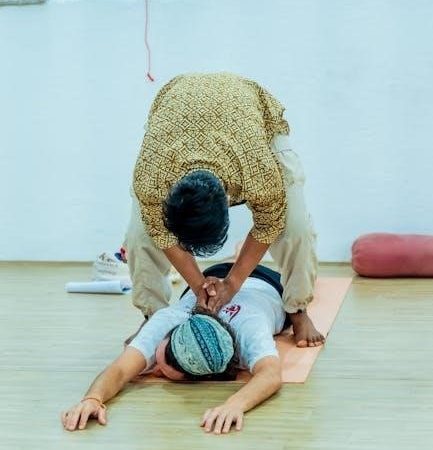
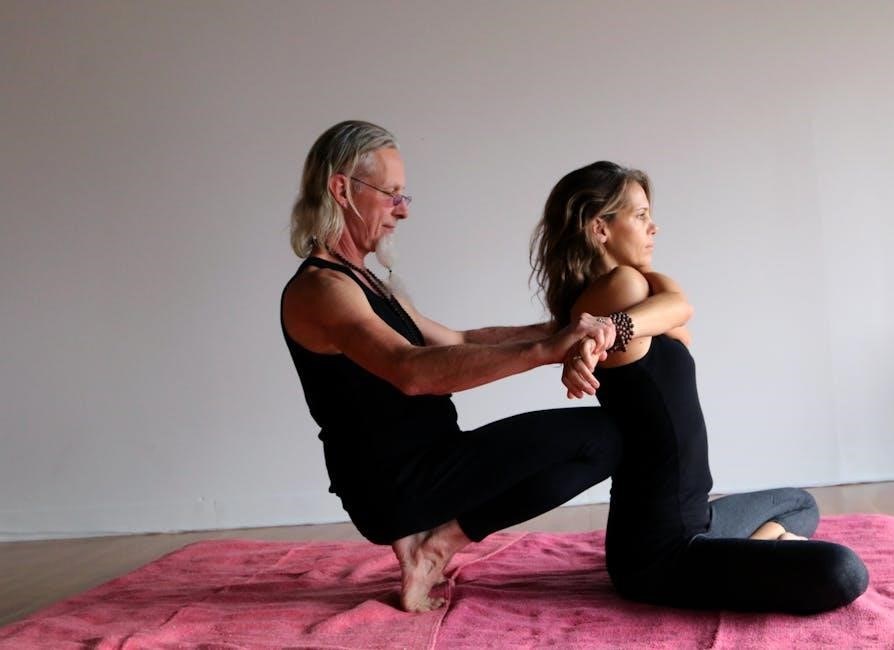
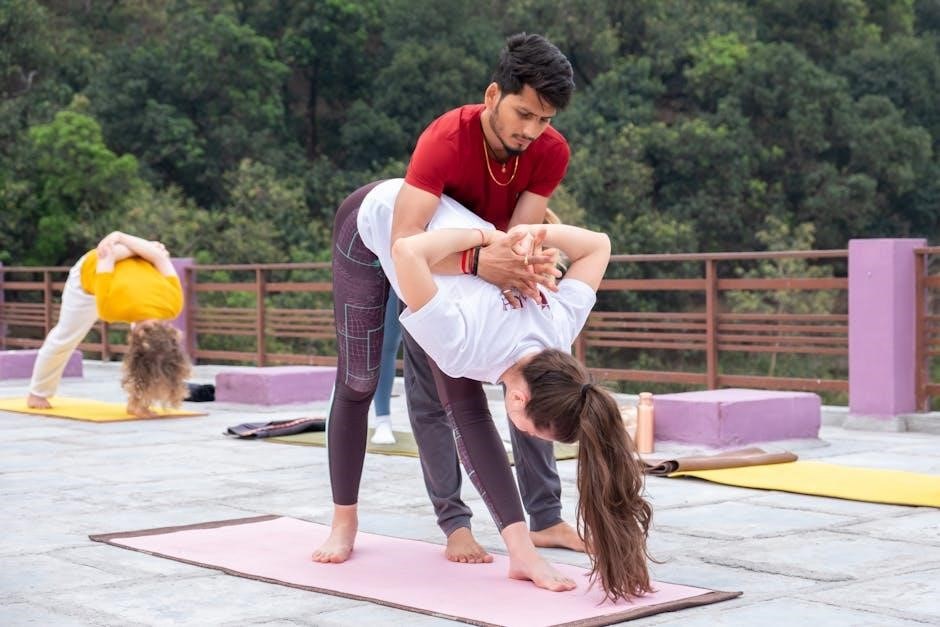
This expansion brought with it concerns about maintaining standards and ensuring ethical conduct within the yoga community. Articles highlight a troubling trend of teachers overstepping boundaries‚ believing they have “permission” to touch students inappropriately. This underscores a critical need for greater accountability and a re-evaluation of power dynamics in yoga studios.
The contemporary era also witnesses a deepening of anatomical understanding among teachers‚ with some even participating in cadaver dissections to enhance their knowledge of the body. This reflects a growing emphasis on scientific rigor alongside traditional practices.
Exploring the Modern Yoga Landscape
The New York Times portrays a modern yoga world vastly different from its early days‚ marked by both innovation and ethical dilemmas. The proliferation of yoga studios and instructors‚ spurred by programs like Maty Ezraty’s‚ has created a complex ecosystem. This landscape demands ongoing scrutiny regarding teacher conduct and student safety.
Reports detail a concerning pattern of unwanted touch within studios‚ highlighting the need for clear boundaries and consent protocols. The articles emphasize that a teacher’s good intentions do not justify inappropriate physical contact. Simultaneously‚ a movement towards deeper anatomical knowledge is gaining traction‚ with teachers like Jane Satou embracing cadaver dissection to refine their understanding of core engagement.
This blend of traditional practice‚ scientific inquiry‚ and ethical challenges defines the current state of yoga instruction‚ as documented by the publication.
Addressing Issues of Boundaries and Consent
The New York Times has brought to light a critical issue plaguing the modern yoga landscape: the problem of unwanted touch. Articles reveal a disturbing trend where some teachers‚ despite good intentions‚ believe they have implicit permission to physically adjust students without explicit consent.
This perceived authority‚ stemming from the teacher-student dynamic and the physical nature of yoga adjustments‚ creates a vulnerable environment. The publication stresses that simply unrolling a mat does not grant a teacher license to touch a student. The articles advocate for a fundamental shift in studio culture‚ prioritizing clear communication and unwavering respect for personal boundaries.
The need for robust consent protocols and increased awareness among both teachers and students is paramount to fostering a safe and ethical practice.
The Problem of Unwanted Touch in Yoga Studios
The New York Times reporting highlights a deeply concerning issue within yoga communities: the prevalence of unwanted physical adjustments. The publication details how some yoga instructors operate under the assumption that physical touch is an inherent part of teaching‚ often disregarding student comfort and consent.
This isn’t necessarily malicious; many instances stem from well-intentioned teachers believing they are offering helpful corrections. However‚ the power dynamic inherent in the studio setting‚ coupled with the vulnerability of students focused on their practice‚ creates a space ripe for boundary violations.
The articles emphasize that this issue isn’t isolated‚ and that a culture of silence often prevents students from speaking out‚ perpetuating the problem. The need for clear‚ explicit consent before any physical touch is crucial.
Teacher Accountability and Student Safety
The New York Times’ coverage underscores a critical need for increased accountability within the yoga instruction world. Following reports of unwanted touch and boundary violations‚ the conversation has shifted towards establishing clearer ethical guidelines and safety protocols for both teachers and students.
The articles suggest a move away from the historically lenient oversight in yoga teacher training programs. There’s a growing demand for more comprehensive education on consent‚ appropriate touch‚ and the potential for abuse of power.
Furthermore‚ fostering a studio culture where students feel empowered to report misconduct without fear of retribution is paramount. This includes establishing clear reporting mechanisms and prioritizing student well-being above all else‚ ensuring a safe and respectful practice environment.
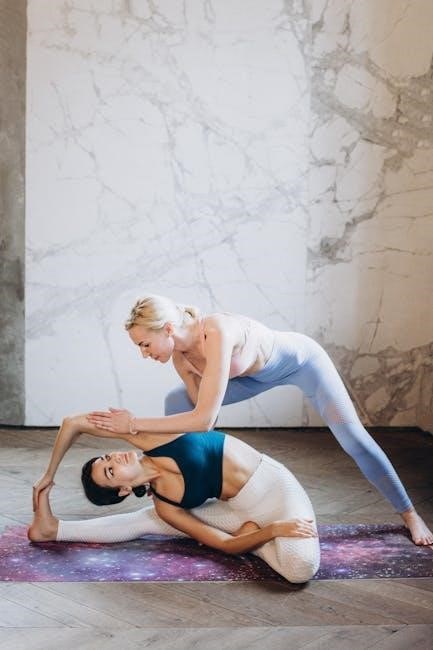
Deepening Anatomical Understanding
The New York Times reports a growing trend of yoga teachers studying anatomy in depth‚ even dissecting cadavers‚ to refine their understanding of the body.
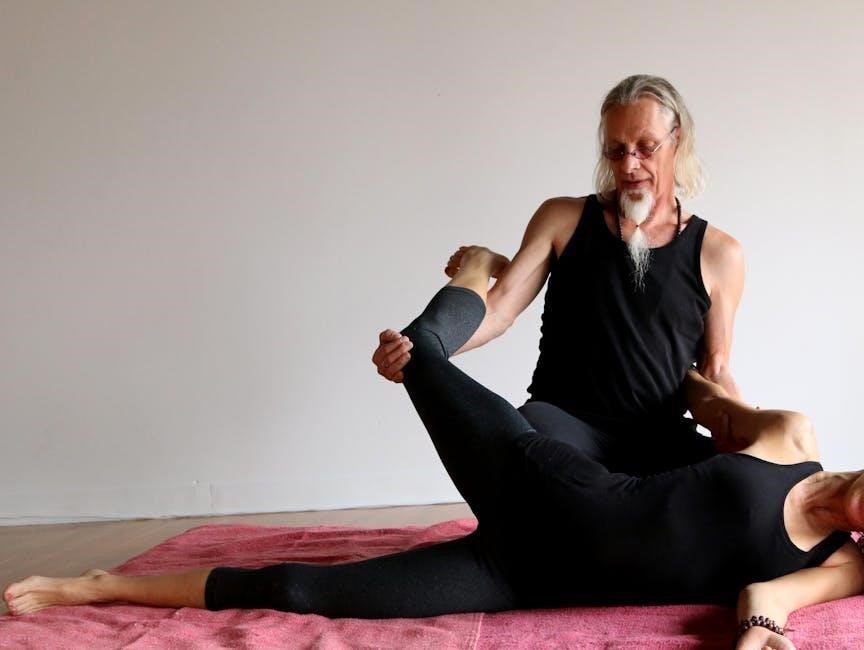
The Importance of Anatomy for Yoga Teachers
The New York Times highlights a crucial shift in yoga teacher training: a deeper emphasis on anatomical knowledge. For years‚ instructors often relied on generalized cues – “pull your belly button to your spine” – without a comprehensive understanding of the underlying musculature.
This approach‚ while common‚ can be imprecise and potentially lead to ineffective or even harmful practice. Jane Satou’s experience‚ as detailed in the Times‚ exemplifies this. Despite a decade of teaching‚ her understanding of abdominal muscles remained superficial until she pursued more rigorous anatomical study.
The article emphasizes that a solid grasp of anatomy allows teachers to provide more nuanced and individualized instruction‚ fostering safer and more effective practice for students. It moves beyond simply telling students what to do‚ to explaining why‚ empowering them to connect with their bodies intelligently.
Jane Satou’s Experience with Anatomical Study
The New York Times featured Jane Satou’s transformative journey into anatomical study‚ revealing a growing trend among yoga and Pilates instructors. Initially‚ Satou‚ like many teachers‚ relied on conventional cues – instructing students to “pull their belly button to their spine” for core engagement.
However‚ she recognized a gap in her understanding. This led her to participate in a groundbreaking program: dissecting human cadavers. This immersive experience provided an unparalleled‚ three-dimensional understanding of the abdominal muscles and their intricate connections.
Satou’s experience‚ as reported by the Times‚ wasn’t just about memorizing names and locations; it was about feeling the texture‚ observing the layers‚ and truly grasping how these muscles function in movement. This deepened knowledge fundamentally changed her teaching approach‚ allowing for more precise and effective guidance.
Yoga Teachers Dissecting Cadavers: A New Trend
The New York Times highlighted a surprising and increasingly popular practice within the yoga community: teachers participating in cadaver dissection. Driven by a desire for a more profound understanding of the human body‚ instructors are moving beyond traditional anatomy textbooks and seeking hands-on experience.
This trend reflects a growing emphasis on anatomical precision in yoga instruction. Teachers are realizing that a superficial understanding of muscles and skeletal structure isn’t enough to safely and effectively guide students. Dissection offers an unparalleled opportunity to visualize the intricate relationships between different body parts;
The Times article details how this immersive learning experience is reshaping teaching methodologies‚ leading to more nuanced cues and a deeper appreciation for the body’s biomechanics. It’s a shift towards a more scientifically informed and responsible approach to yoga.
Enhanced Core Engagement Through Anatomical Knowledge
The New York Times reported on how a deeper anatomical understanding is revolutionizing core engagement techniques taught in yoga. Previously‚ instructors often relied on generalized cues like “pull your belly button to your spine‚” lacking specificity and potentially leading to ineffective or even harmful muscle activation.
Jane Satou’s experience‚ as detailed in the Times‚ exemplifies this shift. After a decade of teaching‚ she realized her understanding of abdominal muscles was incomplete. Through anatomical study‚ including cadaver dissection‚ she gained a nuanced perspective on how these muscles truly function.
This newfound knowledge allows teachers to provide more precise and effective cues‚ guiding students to engage the correct muscles for optimal core stability and preventing strain. It’s a move away from vague instructions towards a scientifically grounded approach to core work in yoga.
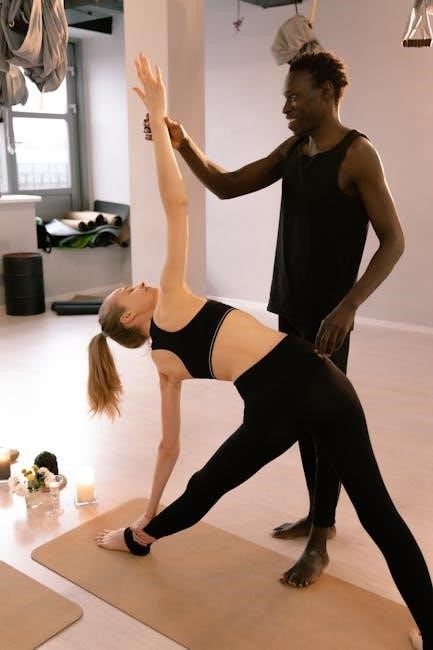
Global Impact and Rigorous Training
The New York Times highlights Maty Ezraty’s significant role in popularizing yoga and establishing a demanding teacher training program‚ impacting instructors worldwide.
Maty Ezraty: A Key Figure in Yoga’s Popularization
Maty Ezraty‚ as reported by The New York Times‚ was instrumental in bringing the ancient practice of yoga to a wider American audience. Her influence extended beyond simply teaching poses; she fundamentally reshaped how yoga was approached and disseminated in the United States and internationally. Ezraty didn’t just introduce asanas‚ but a rigorous methodology focused on precise alignment and a deep understanding of the practice’s roots.
Her impact wasn’t limited to individual students. Recognizing a need for qualified instructors‚ Ezraty developed a comprehensive and demanding teacher training program. This program wasn’t about quick certification; it was about cultivating knowledgeable‚ skilled‚ and ethical yoga teachers. The program’s emphasis on anatomical understanding and precise technique set a new standard for yoga instruction‚ influencing generations of teachers and practitioners. Ezraty’s dedication to quality and depth in yoga education left an indelible mark on the global yoga landscape‚ ensuring its continued evolution and accessibility.
Ezraty’s Teaching Program and its Reach
The New York Times detailed how Maty Ezraty’s teaching program became a cornerstone of modern yoga instruction‚ extending far beyond its initial scope. It wasn’t merely a local endeavor; Ezraty’s methods quickly gained international recognition‚ attracting students and aspiring teachers from across the globe. The program’s rigorous curriculum‚ emphasizing anatomical precision and a deep understanding of yoga philosophy‚ distinguished it from many contemporary approaches.
Remarkably‚ Ezraty’s program successfully trained tens of thousands of yoga instructors. This vast network of certified teachers then disseminated her methods worldwide‚ creating a ripple effect that continues to shape the practice today. Her influence isn’t confined to a single style or lineage; it’s woven into the fabric of modern yoga as taught in studios and workshops globally. Ezraty’s legacy lies not only in her personal teaching but in the enduring impact of the educators she empowered.
Training Tens of Thousands of Yoga Instructors
The New York Times reported that Maty Ezraty’s impact extends far beyond her direct students‚ primarily through the sheer scale of her teacher training program. She didn’t just teach yoga; she cultivated a generation of instructors‚ equipping them with a robust methodology and a deep understanding of the practice. This wasn’t a casual certification process; it was a rigorous and demanding curriculum designed to produce highly skilled and knowledgeable teachers.
The numbers are staggering: tens of thousands of yoga instructors have completed Ezraty’s training. This widespread dissemination of her techniques has fundamentally altered the landscape of yoga instruction globally. These certified teachers‚ in turn‚ have influenced countless students‚ propagating her approach to yoga across continents. Ezraty’s commitment to comprehensive teacher training has created a lasting legacy‚ ensuring her methods continue to thrive and evolve through the work of her dedicated graduates.
The Global Spread of Ezraty’s Methods
The New York Times detailed how Maty Ezraty’s influence transcended national borders‚ establishing a truly global presence for her unique approach to yoga. Her teaching program wasn’t confined to the United States; it actively reached out to instructors and students worldwide‚ fostering a network of practitioners committed to her principles. This international expansion wasn’t merely about numbers; it was about sharing a specific‚ carefully honed methodology with diverse cultures.
Notably‚ Ezraty was teaching in Tokyo when she passed away‚ demonstrating her continued dedication to spreading her knowledge internationally even in her final days. The reach of her trained instructors now spans numerous countries‚ meaning her methods are practiced in studios and communities across the globe. This widespread adoption signifies a significant shift in the yoga world‚ with Ezraty’s techniques becoming a dominant force in contemporary yoga instruction.
Longevity and Sustainable Practice
The New York Times highlights Simone Chopin‚ a 102-year-old yoga teacher‚ exemplifying a simple‚ enduring approach to well-being through decades of consistent practice.
The Wisdom of a 102-Year-Old Yoga Teacher
The New York Times featured Simone Chopin‚ a remarkable yoga instructor who‚ at the age of 102‚ continues to share the benefits of yoga with her community. Since 1982‚ she has dedicated herself to teaching in Léré‚ a rural French village nestled in the Loire region.
Her longevity is a testament to the power of consistent practice and a mindful lifestyle. Chopin’s approach is notably simple‚ eschewing complex routines for a focus on foundational movements and breathwork. The article emphasizes that her classes are accessible to all levels‚ fostering a welcoming environment for students of varying ages and abilities.
Living in a modest setting‚ surrounded by the charm of a traditional French village‚ Chopin embodies a sustainable way of life. Her story offers a compelling perspective on aging gracefully and maintaining vitality through the enduring practice of yoga‚ proving its benefits extend far beyond physical flexibility.
Simone Chopin’s Long-Standing Yoga Practice
The New York Times highlighted Simone Chopin’s decades-long commitment to yoga‚ beginning in 1982. Her practice isn’t rooted in a specific lineage or modern trend‚ but rather a consistent‚ personal exploration of the discipline’s core principles. She teaches in Léré‚ a small French village‚ offering classes to a local population seeking wellness and community.
The article suggests Chopin’s enduring practice isn’t about achieving advanced poses‚ but about maintaining mobility‚ breath control‚ and a connection to the present moment. Her longevity—reaching 102 years of age—is presented as a direct result of this sustained dedication.
Chopin’s approach is described as uncomplicated and accessible‚ emphasizing the fundamental benefits of yoga for all ages. Her story serves as an inspiring example of how a lifelong commitment to mindful movement can contribute to a vibrant and fulfilling life‚ even into advanced age.
Teaching Yoga in a Rural French Village
The New York Times detailed Simone Chopin’s unique teaching environment: the rural French village of Léré‚ located in the Loire region. This setting contrasts sharply with the often-urban and studio-centric yoga landscape typically covered in the publication. Léré is characterized by winding roads‚ modest homes‚ and small‚ locally-owned businesses‚ creating a distinctly unpretentious atmosphere.
Chopin’s classes cater to the local community‚ offering a practice accessible to individuals who may not have exposure to mainstream yoga trends. The article implies her teaching isn’t about commercial success or building a brand‚ but about providing a valuable wellness resource to her neighbors.
This rural context underscores the universality of yoga’s benefits‚ demonstrating its relevance beyond metropolitan areas and specialized fitness circles. It highlights how yoga can integrate into everyday life‚ fostering community and promoting well-being in a simple‚ grounded manner.
A Simple Approach to Aging Well Through Yoga
The New York Times featured Simone Chopin‚ a 102-year-old yoga teacher‚ as a testament to the practice’s longevity-promoting benefits. Her story isn’t about complex routines or advanced poses‚ but rather a consistent‚ accessible approach cultivated over decades. Since 1982‚ she has shared yoga with the residents of Léré‚ a small French village‚ emphasizing simplicity and mindful movement.
Chopin’s long life and continued teaching serve as a powerful example of how yoga can support physical and mental well-being throughout the aging process. The article suggests her approach prioritizes maintaining mobility‚ balance‚ and a connection to the body‚ rather than striving for peak performance.
Her story offers a refreshing perspective‚ contrasting with the often-intense and aspirational imagery associated with modern yoga. It underscores the idea that yoga can be a sustainable‚ lifelong practice‚ adaptable to individual needs and abilities‚ fostering graceful aging.